Every week brings a new AI headline. Most are noise. A few represent real, durable shifts. Here's our read on the advances from the past year that are actually changing how people build and work.
1. Reasoning became reliable enough to trust
Earlier models were fluent but shaky on multi-step logic. A new generation that "thinks" before answering — spending extra effort to work through a problem — has made AI genuinely useful for planning, math, and complex analysis, not just drafting text.
2. Context windows got huge
Models can now read and reason over enormous inputs — entire codebases, long books, hours of transcripts — in a single pass. That removes a lot of the plumbing (splitting and stitching) that used to be necessary and enables whole new workflows.
3. Agents left the lab
Tool-using, multi-step agents moved from impressive demos to real products that handle scoped work: triaging tickets, running research, and automating routine operations — with humans supervising the important calls.
4. Multimodal became the default
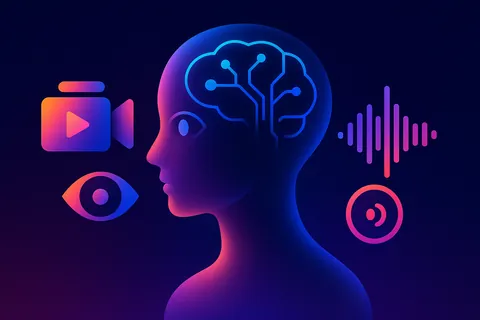
Handling text, images, audio, and video in one model stopped being a special feature and became table stakes. The result is AI that fits messier, more human tasks.
5. Costs fell dramatically
The price of a given level of capability keeps dropping. Tasks that were too expensive to automate a year ago are now routine. This quiet trend may matter more than any single model launch, because it decides what's economically worth building.
6. On-device models arrived
Capable models that run locally brought private, instant, offline AI to phones and laptops — expanding where AI can be used and who can trust it with sensitive data.
What it adds up to
The through-line of 2026 isn't one breakthrough model — it's AI becoming dependable, affordable infrastructure. The interesting questions have shifted from "can AI do this?" to "how do we build with it responsibly, and where do humans stay in the loop?"
That's a healthier place to be. The teams that win from here won't be the ones chasing every headline — they'll be the ones who pick real problems and apply these now-mature tools with judgment.